

Best Backpacking Sleeping Pads Compared for 2026: 5 Top Picks for Campers
Best inflatable backpacking sleeping pads compared on R-value, weight, thickness and packed size. See the five top picks and choose yours today.
Five inflatable sleeping pads compared on warmth, weight, thickness and packed size so you can choose the right one for your trips
Choosing an inflatable sleeping pad is harder than it looks. Listings throw around numbers for warmth, weight and thickness, and the same model often comes in several lengths and widths with different specs. Add the pressure of carrying everything on your back, and it is easy to end up with a pad that is too heavy, too thin or too bulky for the way you camp.
This guide compares five inflatable pads on the criteria that matter most for backpacking and camping: insulation measured by R-value, weight, inflated thickness and packed size. We also look at length, width and how each pad inflates, and we note where figures differ between sizes or listings so you can check the exact version you want.
Below you will find a short overview of each pad, who it suits and who should look elsewhere, followed by a closing verdict for each one, an explanation of our top pick and answers to common questions about choosing and using an air pad.
| Product | Amazon rating | Best for | Link |
|---|---|---|---|
| Therm-a-Rest NeoAir Xlite NXT ★ | ★ 4.4/5 (369) | Weight-conscious solo backpackers | View → |
| NEMO Equipment Tensor All-Season | ★ 4.5/5 (86) | Cool-weather backpacking trips | View → |
| Big Agnes Rapide SL Insulated | ★ 4.4/5 (61) | Side sleepers wanting cushion | View → |
| Sea to Summit Ether Light XR Insulated | ★ 4.2/5 (103) | Comfort-minded three-season campers | View → |
| Therm-a-Rest NeoLoft | ★ 4.1/5 (100) | Comfort-first weekend backpackers | View → |
Therm-a-Rest NeoAir Xlite NXT
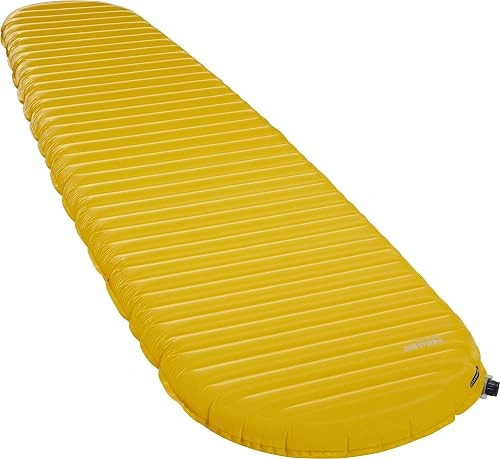
The NeoAir Xlite NXT is an ultralight air pad built for backpackers who count every ounce. In the Regular size it is listed at 72 inches long and 20 inches wide, with about 3 inches of inflated thickness and an R-value of 4.5, which puts it in the three-season to shoulder-season range. Listed weight is around 13 ounces, and it packs down to roughly 9 by 4 inches, small enough to slip into a side pocket or the bottom of a pack.
Buyers often mention that it is very light for the comfort it offers and that it rolls up compactly. A common comment is that the baffled air chambers can make a crinkly sound when you shift. It is a pure air pad, so a small puncture matters more than on a foam model, and wider and longer sizes weigh more than the Regular figures quoted here. It suits solo hikers who want low weight and a small packed size, but less so people who sleep very restlessly or want a quiet pad.
NEMO Equipment Tensor All-Season
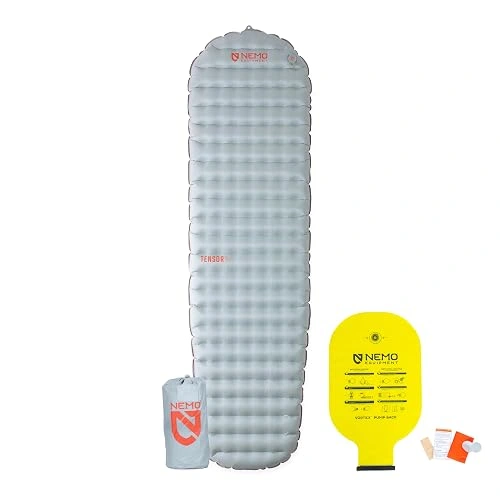
The Tensor All-Season is an insulated air pad aimed at campers who want more warmth without a big weight penalty. The Regular Mummy size is listed at 72 inches long by 20 inches wide and about 3.5 inches thick, with an R-value of 5.4. That figure is higher than most of the other pads here and suggests it is better suited to cool nights and shoulder-season trips. Listed weight is roughly 13 to 14 ounces depending on the retailer, and it packs to about 10 by 4 inches.
It uses an aluminized film layer for insulation, and buyers often mention that it feels stable and fairly quiet compared with some other ultralight pads. The mummy shape saves weight but gives less room to spread out, and the extra thickness can feel a little narrow for side sleepers who move around. If you mostly camp in warm weather, the added insulation may be more than you need.
Big Agnes Rapide SL Insulated
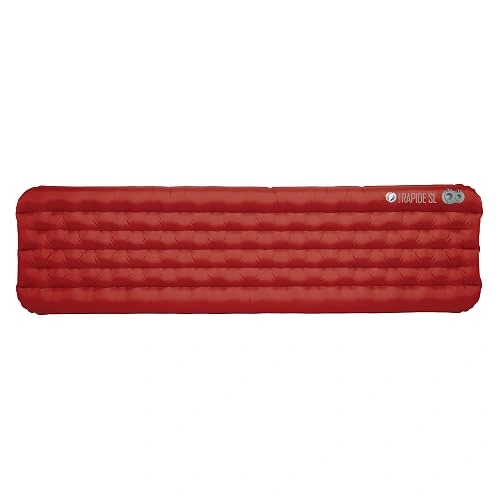
The Rapide SL Insulated is a thick, insulated air pad that trades a little weight for comfort. The Regular 20 by 72 inch size is most often listed at an R-value of 4.8 and about 18 ounces, with an inflated thickness of around 4.25 inches. It uses synthetic insulation along with reflective film layers, and the design is meant to be quick to inflate and deflate with its valve system.
Its main appeal is the deep, cushioned feel, which buyers often say suits side sleepers who find thinner pads too firm. The trade-off is that it is heavier and bulkier than the lightest options in this group, so it makes more sense for car camping and moderate-distance trips than for strict ultralight setups. Some older listings show a lower R-value, so confirm the current model year and size before you buy.
Sea to Summit Ether Light XR Insulated
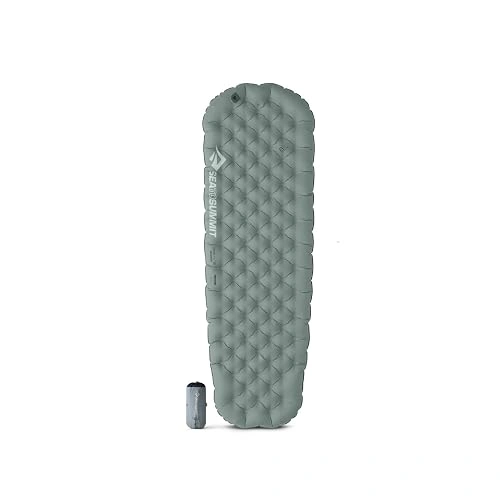
The Ether Light XR Insulated is a tapered air pad with a thick profile of about 10 centimeters, or just under 4 inches, and an R-value commonly listed at 4.1. The tapered shape trims weight and packed volume compared with a full rectangle, and the pad comes in small, regular and large sizes. Weight figures vary between listings and sizes, with some regular-size figures around 470 grams and others higher, so check the size and version on the page you are buying from.
Buyers often mention that the thick, soft surface feels comfortable and that the pad is light for its thickness. Its insulation is moderate, which makes it a good match for three-season camping rather than cold-weather use, and a few buyers say it sleeps cooler than the number suggests. The tapered cut leaves less room at the feet, so it is a better fit for people who sleep on their back or side without sprawling.
Therm-a-Rest NeoLoft
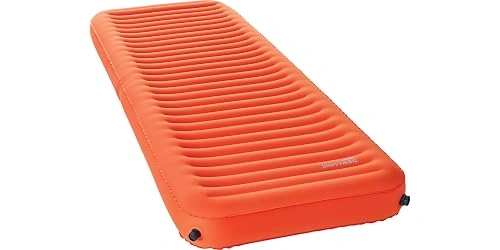
The NeoLoft is a lightweight air pad that leans toward comfort, with a roomier cut than many ultralight models. The Regular size is listed at about 73 inches long by 22 inches wide, with roughly 4.6 inches of inflated thickness and an R-value of 4.7. Weight is listed at about 710 grams, or just over 1.5 pounds, and it packs to around 5.7 by 9.5 inches.
Buyers often describe it as plush and supportive, with enough width that it feels less confining than a narrow mummy pad. That comfort comes with a heavier weight and a larger packed size than the lightest pads in this comparison, so it suits weekend backpackers and campers more than gram counters. Wider and longer versions are also sold, and their specs differ from the Regular figures given here.
Conclusions
The Therm-a-Rest NeoAir Xlite NXT is the pad to consider if low weight and a small packed size matter most. Its 4.5 R-value covers three-season use, though it is a pure air pad and some buyers find it a bit noisy. … read more
The NEMO Equipment Tensor All-Season is a strong choice if you camp into cooler weather. Its 5.4 R-value is the highest here and the weight stays low, but the mummy shape gives you less room to spread out. … read more
The Big Agnes Rapide SL Insulated suits campers who put comfort ahead of the lowest weight. Its thick profile and 4.8 R-value appeal to side sleepers, although it is heavier and bulkier than the lightest pads in this group. … read more
The Sea to Summit Ether Light XR Insulated is a good fit for three-season campers who want a thick, soft surface in a tapered, lighter package. Its 4.1 R-value is the lowest here, so look elsewhere for cold nights. … read more
The Therm-a-Rest NeoLoft works well for weekend backpackers who want a wider, plusher pad at a moderate weight. With a 4.7 R-value it is warm enough for most three-season trips, but it packs larger than the ultralight options. … read more
Frequently Asked Questions
What does R-value mean on a sleeping pad?
R-value is a measure of how well a pad resists heat loss into the ground. A higher number means more insulation. Lower values suit warm summer nights, while higher values are more suitable for cool or shoulder-season camping. Compare numbers only between pads rated under the same standard.
How thick should a backpacking sleeping pad be?
Most inflatable backpacking pads range from about 2.5 to 4.5 inches when inflated. Side sleepers often prefer the thicker end, since more air gives more cushion between hips and shoulders and the ground. Back sleepers and weight-focused hikers often accept a thinner pad to save weight and bulk.
Do inflatable sleeping pads need a pump sack or can I blow them up by mouth?
Many pads can be inflated by mouth in a handful of breaths, and some come with a pump sack or an inflation valve designed for faster filling. Using a pump sack keeps moisture from your breath out of the pad. Check the instructions for your specific model.
Is it worth carrying a repair kit for an air pad?
Most air pad makers include or sell a small patch kit, and it adds very little weight. Because an air pad relies on holding air, carrying a patch kit is a common habit among backpackers who want a fallback if a pad develops a slow leak on a trip.
Should I choose a regular or wide size?
Regular pads are typically about 20 inches wide and 72 inches long, which keeps weight and packed size down. Wider and longer sizes give more room for broad shoulders or restless sleepers but add weight and bulk. Specs differ by size, so check the listing for the exact size you plan to buy.